
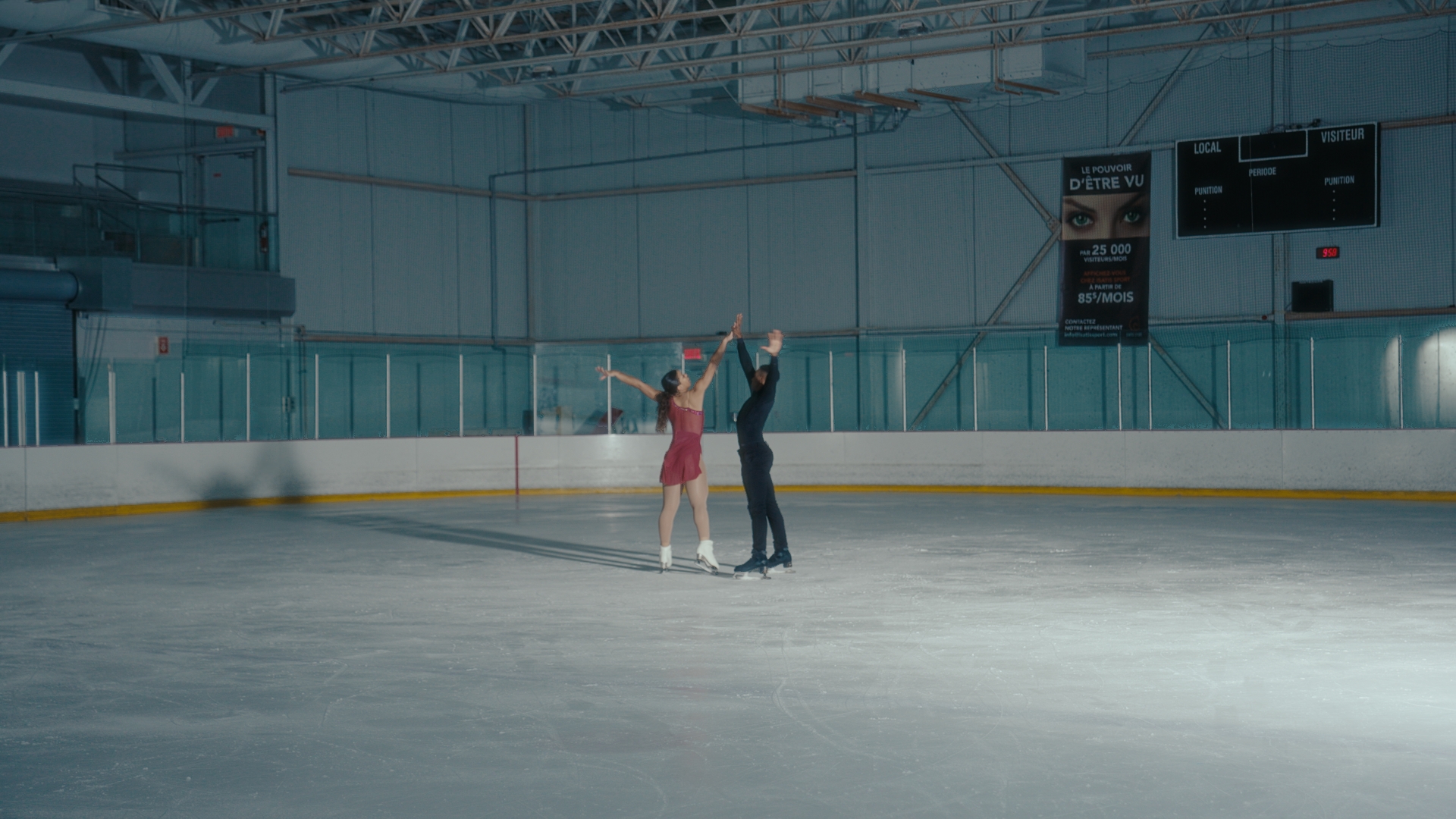
For decades, portrayals of Black love have been rooted in warmth. Sunlight fills the frame, summer lingers in the air, and intimacy unfolds in spaces that feel easy, familiar, and alive. From films like Love Jones to countless others, these stories have shaped a visual language, one where Black love exists in heat, in motion, in glow.
But what about the cold?
With Under This Ice, filmmaker Benjamin Shimwa turns toward a space that has long been overlooked. Set against the stillness of a Canadian winter, the film reframes love not as something protected from harsh conditions, but as something that exists within them. As the film itself suggests, love is “not the absence of cold, but the stubborn refusal to freeze alone.”
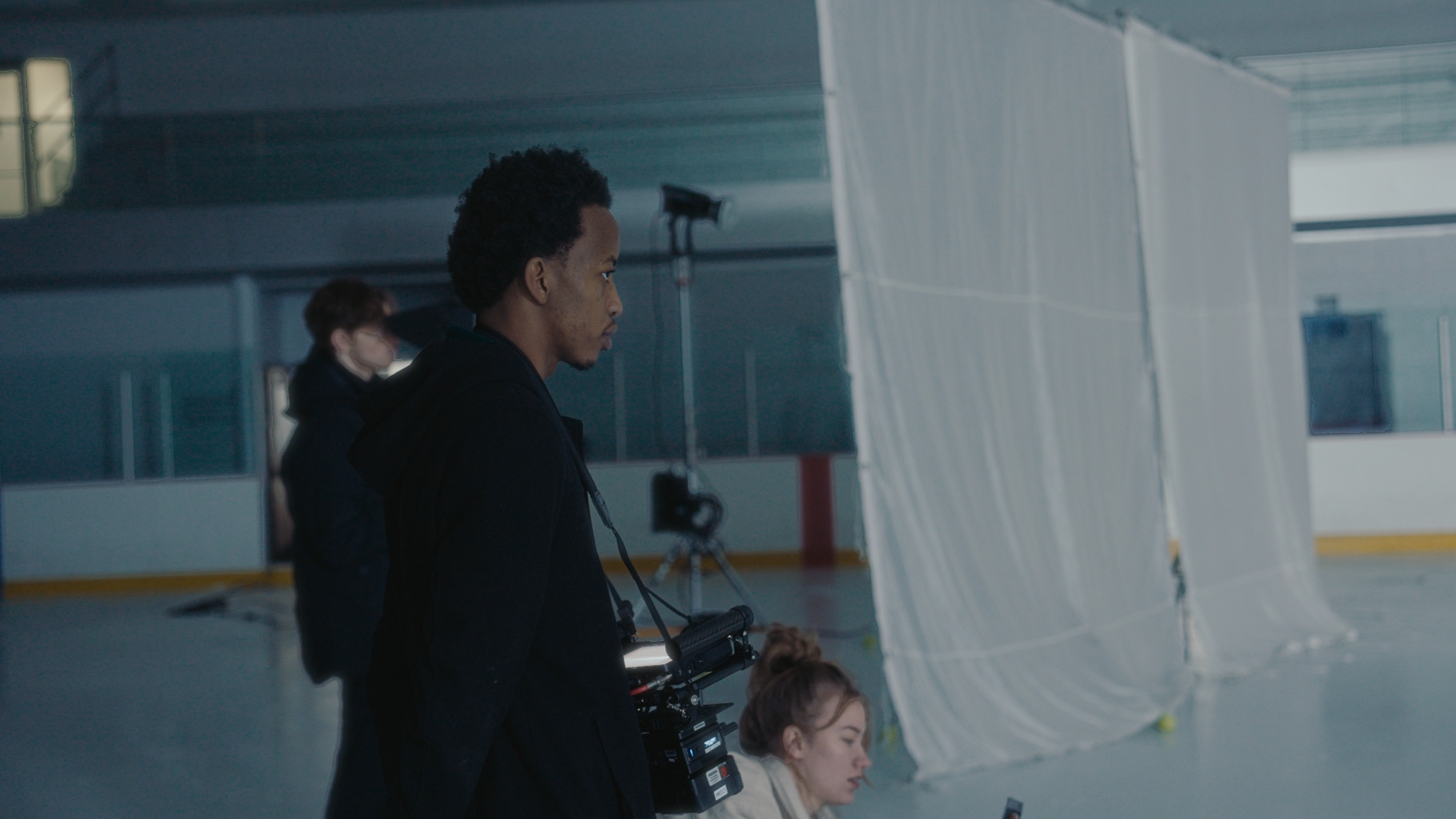
That idea did not come from theory. It came from experience.
The film began during Ottawa’s first snowfall in November 2025. In the quiet weight of winter, Shimwa found himself sitting with a feeling he had never seen reflected on screen, longing in the cold. It was a realization that felt both simple and profound. Black love had rarely, if ever, been placed within this emotional landscape. What followed was not just a concept, but a response. It started as a poem and grew into a visual story grounded in softness, stillness, and emotional truth.
But bringing Under This Ice to life was anything but still.

Just one day before filming, the production lost its location. With equipment already secured and no room to reschedule, the entire project stood on the edge of collapse. What followed was a moment of urgency that turned into possibility. After asking around, even strangers, Shimwa found someone willing to offer their home. With less than twenty four hours to prepare, the team had to rebuild the film in real time, reshaping every shot to fit a space they had never seen before.
It became a lesson in trust, adaptability, and instinct. These qualities now live within the film itself.
That same persistence carried into one of the film’s most striking elements, figure skating.
At the heart of Under This Ice is a visual language built on movement and connection. Pair skating became essential, not just aesthetically, but symbolically. On ice, connection cannot be faked. Every lift, every synchronized turn, every shared glide demands trust. It becomes a physical expression of intimacy.
And yet, finding Black figure skaters proved to be one of the film’s greatest challenges.
Institutional pathways offered little support. This revealed a deeper issue, not a lack of talent, but a lack of visibility. What Shimwa discovered through this process is what many already know. Black excellence exists in spaces where it is rarely documented. It simply requires intention to find.
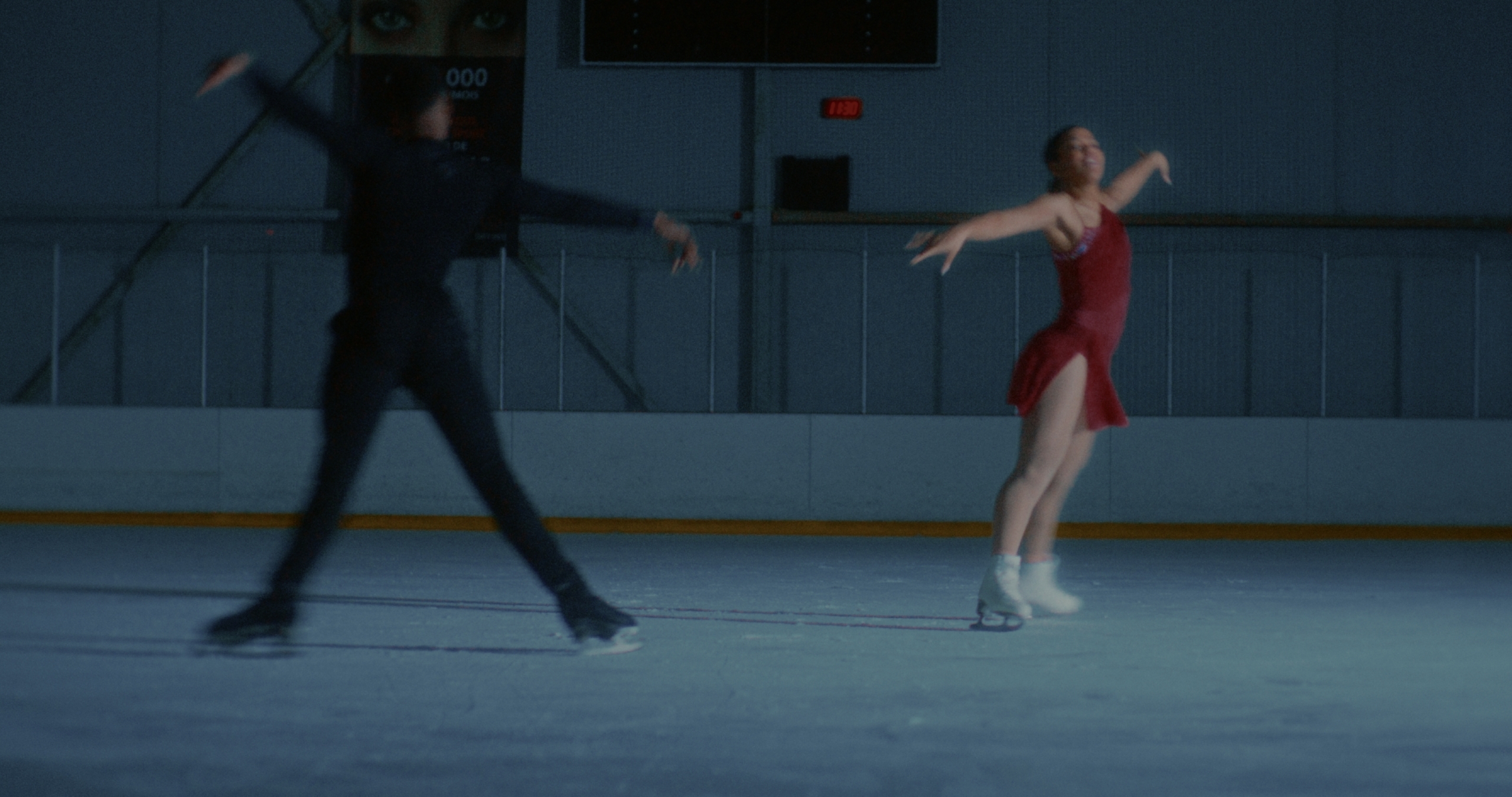
Through persistence and community, the film found its collaborators. It brought together skaters whose presence on the ice is both intimate and political. As Shimwa reflects in his director’s statement, these are “spaces that were not built for them. They are on the ice anyway. Together. Gliding.”
That image sits at the core of the film.
Because Under This Ice is not just about love. It is about presence. It is about being seen in places that were never designed to hold you.
Creating from Ottawa adds another layer to that reality. As a Black filmmaker working in a city with few visible pathways for this kind of storytelling, Shimwa is building something without a blueprint. Rather than seeing that as a limitation, the film embraces it. It becomes part of the story. It reflects what it means to create, to imagine, and to exist in spaces that often feel cold.
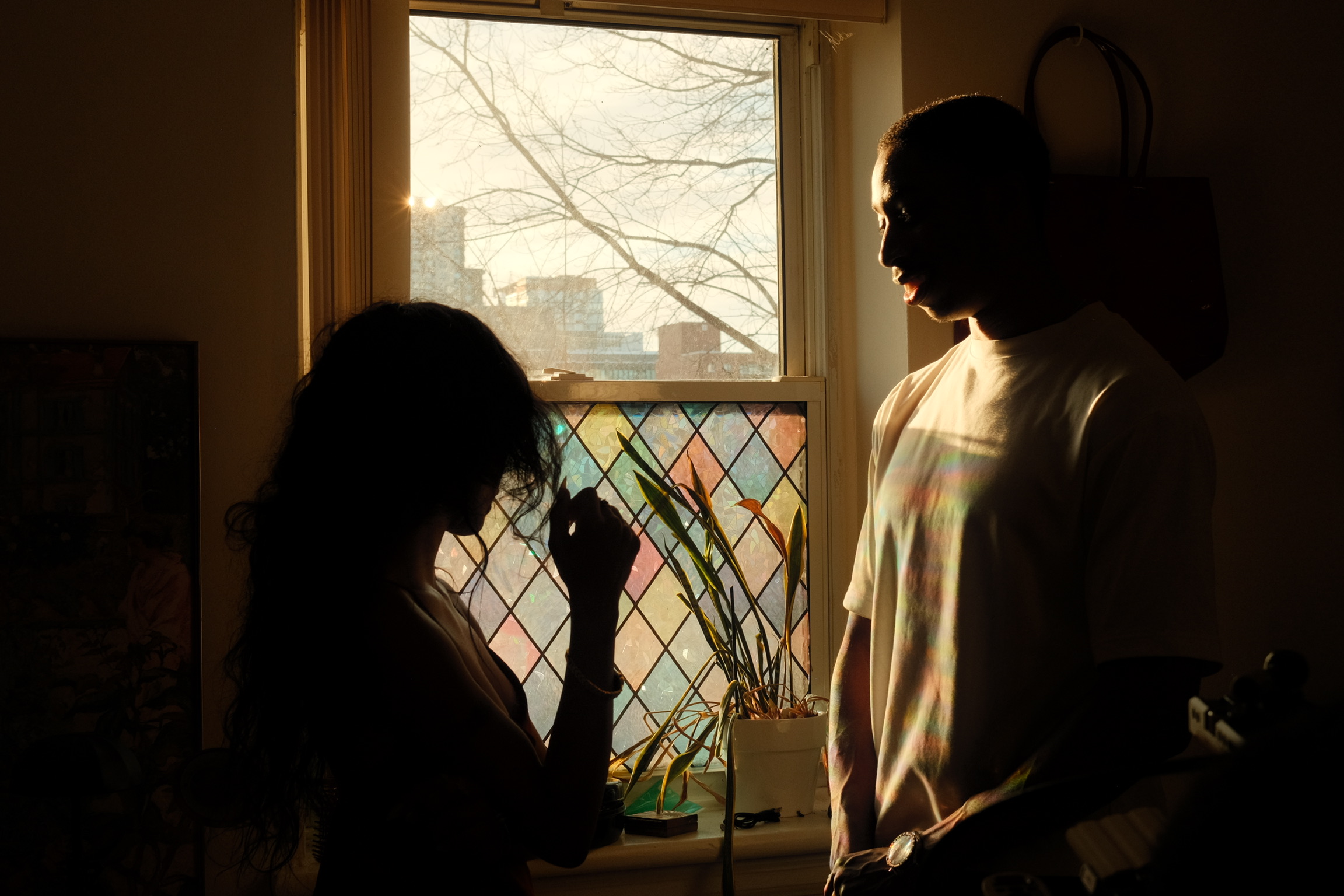
Despite its short runtime, just three minutes, the film carries a deliberate weight. It is structured less like a traditional narrative and more like a held breath. A moment suspended. The feeling just before you say something you have been afraid to admit.
That is where the film lives.
Not in resolution, but in emotion.
Watch Under This Ice
The film is available here:
Under This Ice marks the first act in a larger vision, a trilogy that continues to explore connection, identity, and the quiet complexities of human relationships. Even on its own, the film stands as something intentional and necessary.
A reminder that love does not disappear in the cold. It adapts, it persists, and sometimes it finds its most honest form there